King County, Washington
Garage door repair in Seattle, WA
Garage door repair and replacement in Seattle, WA begins with the part that quit, whether a spring, a cable, the track or the opener. Half the homes in Seattle were built before 1974 (Census ACS 2019–2023). Seattle averages 25 days a year with a low at or below 32°F (NOAA 1991–2020 normals).
Call (866) 332-1030 to schedule a visitCalls may be recorded. Describing the problem commits you to nothing.
What stopped working?
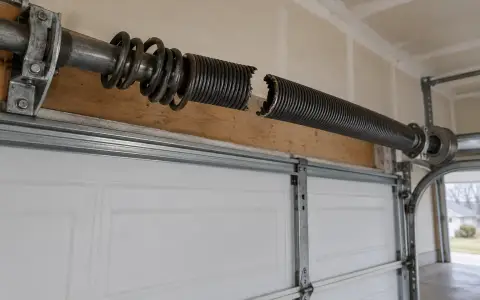 Broken spring
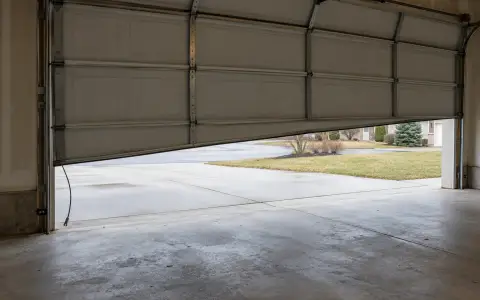 Snapped cable
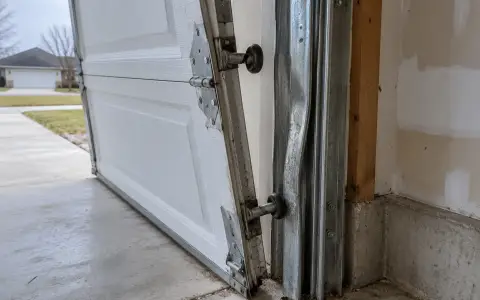 Off track
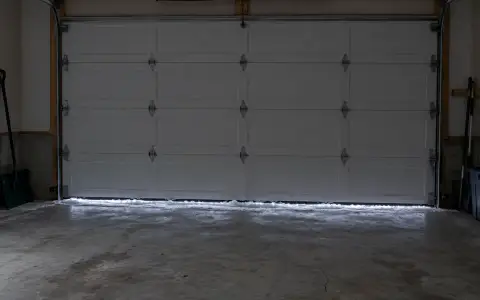 Won't open
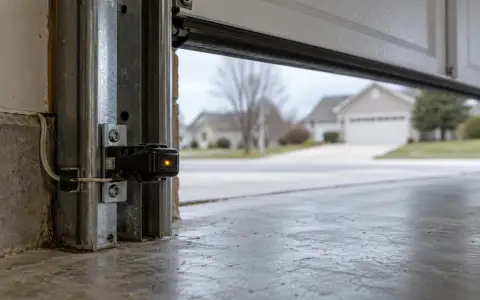 Won't close
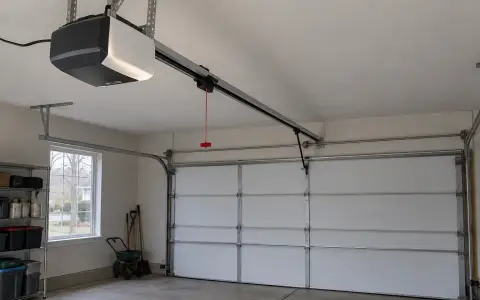 Opener runs, door doesn't
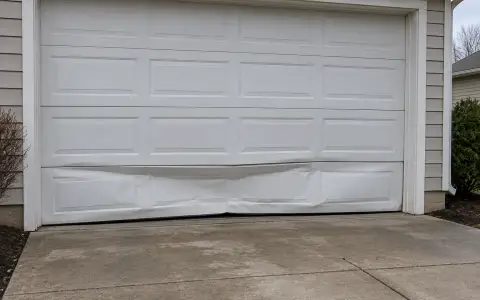 Car hit the door
What is different about Seattle
These come from public data about Seattle and from the rules that apply here. Each one names its source.
Openers older than the safety rule
In Seattle, half the homes went up before 1974, so an opener original to the house can be older than the federal rules. Since January 1, 1991 an opener made for sale has had to reverse when it touches something, and since 1993 it has also needed an external safeguard, usually a pair of photo-eye sensors a few inches off the floor. No sensors by the floor means an older opener: do the reverse test first.
Source: U.S. Census Bureau, American Community Survey 2019–2023 5-year estimates; CPSC Publication 523, non-reversing automatic garage door openers
Who has a garage door
Of the 353,019 households in Seattle, a good share live in detached houses, which is where a private garage door and opener usually are.
Source: U.S. Census Bureau, American Community Survey 2019–2023 5-year estimates
Mild winters
Seattle sees 25 days a year when the low reaches 32°F or colder, on average, at the nearest NOAA climate normals station, about 6 miles away. A door that will not lift on a frozen morning is often held by its bottom seal rather than by a fault in the opener, so check the seal first.
Salt air
Seattle is about 1 mile from the ocean shore. Salt air corrodes springs, cables, rollers and the opener rail faster than inland air, so galvanized or stainless hardware, and a look at the cables when the door is serviced, matter more here.
Source: Natural Earth coastline, distance from the place centroid
Renters call too
Most homes in Seattle are rented. The line on this site takes calls from renters as well as owners; who pays for the repair is a matter for the lease.
Source: U.S. Census Bureau, American Community Survey 2019–2023 5-year estimates
Who licenses the work in Washington
Washington requires all construction contractors to register with Labor & Industries, and has a registration specialty for this work, "Overhead/garage doors," which covers installing doors "and the rails and support systems common to the industries," including openers. The state notes that work in this specialty "may also require an electrical license."
Look up a license with the Department of Labor & Industries (L&I)
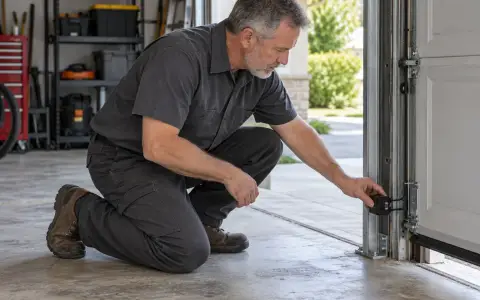
What you will be asked
- What stopped working, in one sentence: a bang and then the door would not lift, a crooked door, a door that goes back up.
- The door: sectional panels or one solid piece, one car wide or two, and roughly how old.
- The name on the opener’s motor housing, and roughly how old it is.
Calls from Seattle about repairing, replacing or installing a garage door or opener are taken for homes and commercial buildings, owners and renters alike. Parts sales, box-truck and trailer doors, and phone quotes without a visit are not; a price comes after the door has been seen.
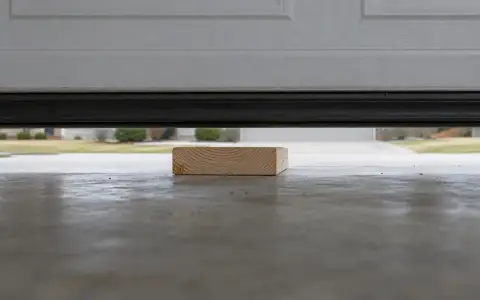 Reverse test
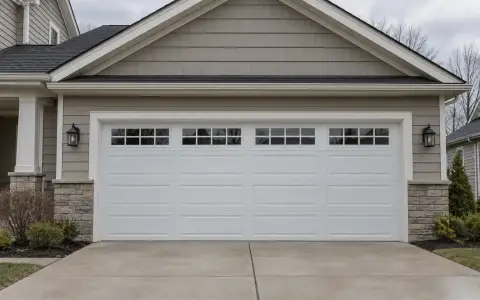 Door replacement
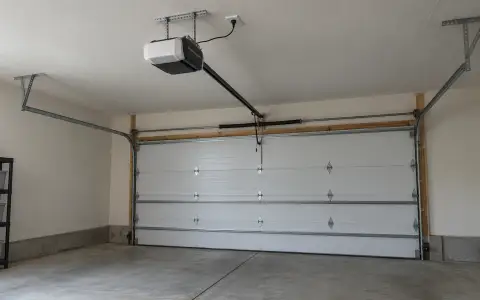 Opener replacement
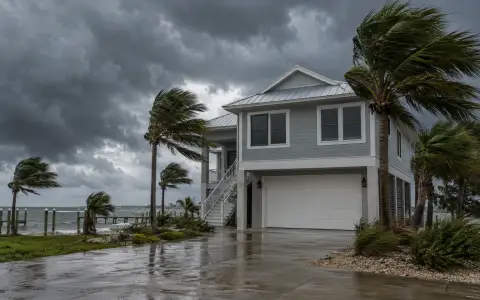 Wind-rated doors
 Before you call
Garage doors in Seattle: questions
How old are the garage doors and openers in Seattle?
Half the homes in Seattle were built before 1974, so an opener still original to the house can predate the 1993 rule that added photo-eye sensors. If the door has no sensors near the floor, the opener is older than the rule, and replacing it is the safer call.
Does cold weather affect garage doors in Seattle?
Rarely. Seattle averages 25 days a year at or below 32°F, so most calls here are springs, cables and openers rather than frozen seals.